A client sells on a marketplace. The bank shows one credit for the fortnight. The sales are not that figure, the commission is not visible, and the tax collected at source is somewhere inside it.
The settlement report is the document that takes that one credit apart. It is also, for most practices, the least standardised document they handle: every platform publishes a different one, the column names change without notice, and two reports from the same company can mean different things by the same word.
Which is why the interesting question about this work is not "can it be automated". It is "what happens when a column is not what it was last month".
What the report actually contains
A settlement is a net figure, and the gap between it and the sales is made of deductions that each belong in a different place in the books.
At minimum, a report of this kind carries the gross sale value, the platform's commission, some form of shipping or logistics charge, GST on the platform's own charges, returns and cancellations reversed out, any promotional funding, tax collected at source, and the net amount actually paid out.
Every one of those is a different ledger. The commission is an expense with input credit attached. The TCS is a credit the client claims, not a cost. A return is a reversal of a sale, not a purchase. The shipping charge may be an expense or a recovery depending on who bore it.
Book the whole settlement as sales and all of it is wrong at once, which at least is obvious. Book it mostly right with the commission landing in the wrong head and nobody finds out until the GST reconciliation refuses to tie.
The column names are the entire problem
A report is a table, and reading it means deciding what each column means. There are two ways to do that and only one of them is safe.
The unsafe way is to match loosely: look for a column with "commission" somewhere in the name, take the first thing that looks like a date, assume the amount column is the one furthest right. This works on the file in front of you and fails on the next one, and it fails by producing numbers rather than by stopping.
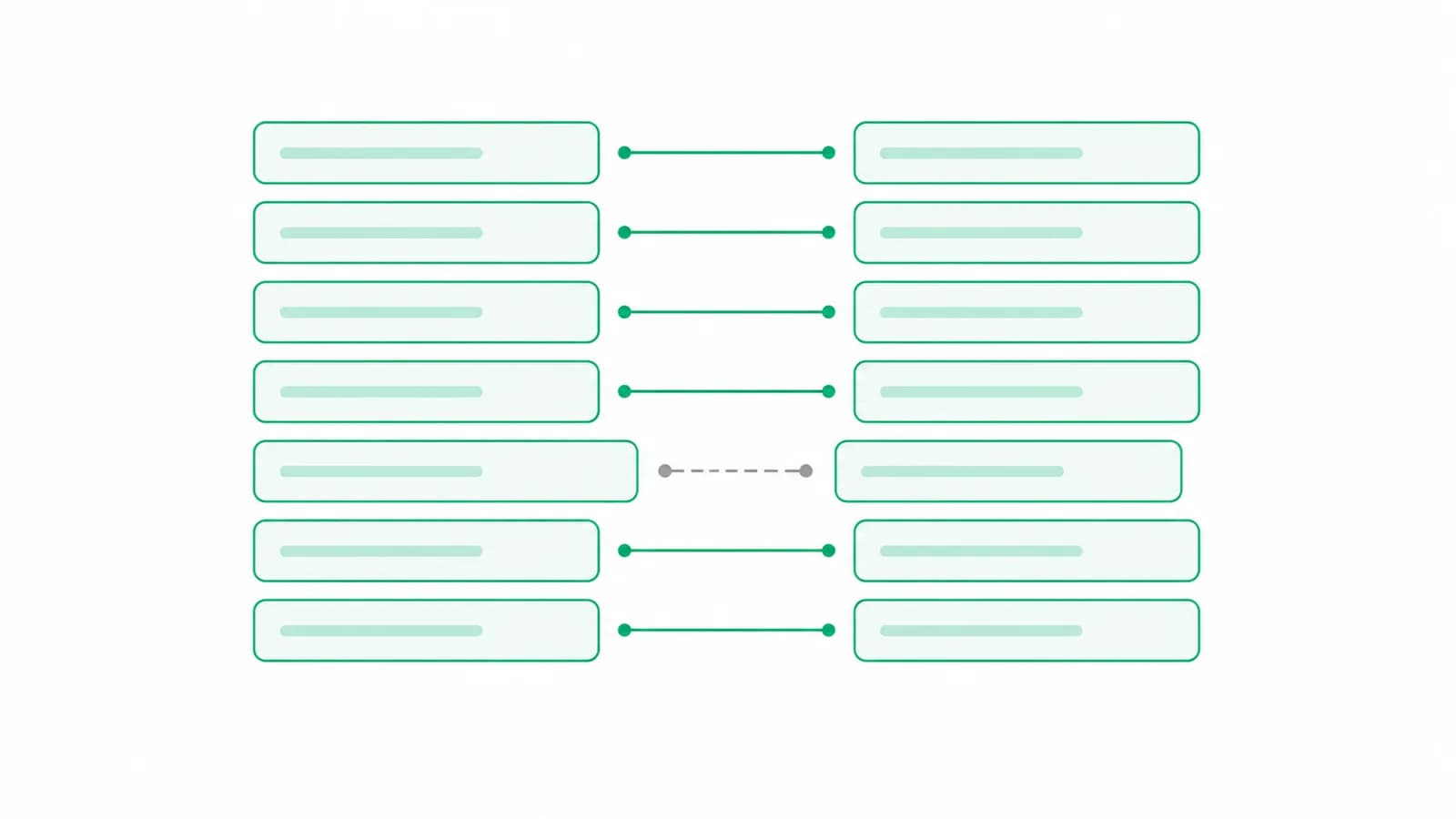
The safe way is to hold a named list of columns per report format, require every column on that list to be present, and refuse the file naming what is missing when they are not. Spacing, case and punctuation can be forgiven, so that "settlement_id" and "Settlement ID" are treated as one column. Nothing beyond that should be forgiven, because a column matched by resemblance is how a fee gets booked as a sale.
A refusal is a good outcome here. It costs a CA ten minutes. A wrong mapping costs a reconciliation nobody can close.
Important
If a tool reads a settlement report and never refuses one, it is guessing. Ask it what it does with a report whose commission column has been renamed, and do not accept "it figures it out".
Ask how sure it is, format by format
This is the question practices do not think to ask, and it separates the tools that have met real files from the ones that have read a help page.
There are three quite different levels of confidence a format can be built at.
| Level | What it means |
|---|---|
| Seen in real reports | Every column observed in actual downloads from actual merchants |
| Built from the provider's own published list | The column names are right; order, spelling, units, signs and date formats are still untested |
| Built from something less | Neither of the above, and provisional |
The second level sounds safe and is not. A published column list tells you nothing about whether amounts arrive as positives or negatives, whether a date is day-first or month-first, or whether a figure is in rupees or paise. Those are exactly the things that turn a correct mapping into wrong numbers.
The third level is legitimate as long as it says so every time it is used. A format built from a community parser rather than from a real file or a published list can still be useful to a CA who knows that is what they are looking at. It is not legitimate when it is presented with the same confidence as the rest.
Make each row prove itself
There is a check that works even when the mapping is uncertain, and it is the reason a provisional format can be used at all.
Each row usually states its own net settlement figure. So the parts can be added up and compared against it, row by row. If the gross, less the commission, less the charges, plus or minus the adjustments does not equal the figure the row itself states, something was read wrongly.
The value of this is that it converts the dangerous failure into the safe one. A column whose meaning was misread shows up as a row that will not add up, rather than as money sitting quietly in the wrong ledger.
Greenote holds one layout per report format with every required column named and the source of that list recorded, refuses a file that is missing any of them and says which, and marks a provisional format as provisional every time it is used. Where a format is provisional, a row that does not tie to its own stated settlement figure is not booked.
Pro tip
Run the row-level check on a month you have already closed by hand. If the parts tie to the stated net on every row, the mapping is right for that platform and that period, which is as much assurance as this work can give.
Then it is an ordinary bank problem again
Once the settlement is taken apart correctly, the rest is familiar work.
The one credit in the bank is matched against the net figure from the report. The deductions go to their own heads. The TCS goes to a receivable, and it should later agree with what the platform reports against the client's PAN, which is the same check as any other tax credit.
And the thing most worth getting right first is the one with the least glamour: whether the sale, the fee and the credit all carry the same identifier, so that next month somebody can find this fortnight again.
On the tax side, note that the collection a marketplace makes is its own obligation, not the same thing as collection on an ordinary sale of goods, which stopped applying from 1 April 2025. Two different provisions, two different parties, and they are routinely confused in the same conversation.
Conclusion
The hard part of a settlement report is not arithmetic. It is knowing what each column means, and being honest about how well that is known.
The tools worth using in this corner are the ones that refuse a file they do not recognise, say plainly when a format is provisional, and make each row prove itself against its own stated total.
Turn bank statements into Tally vouchers on your own PC
Greenote reads 100+ Indian banks and posts clean vouchers straight into Tally, from your own PC. The statement is not uploaded, and nothing is typed by hand.
Free trial: 7 days or 5 statements, no card. Works with Tally Prime & ERP 9.