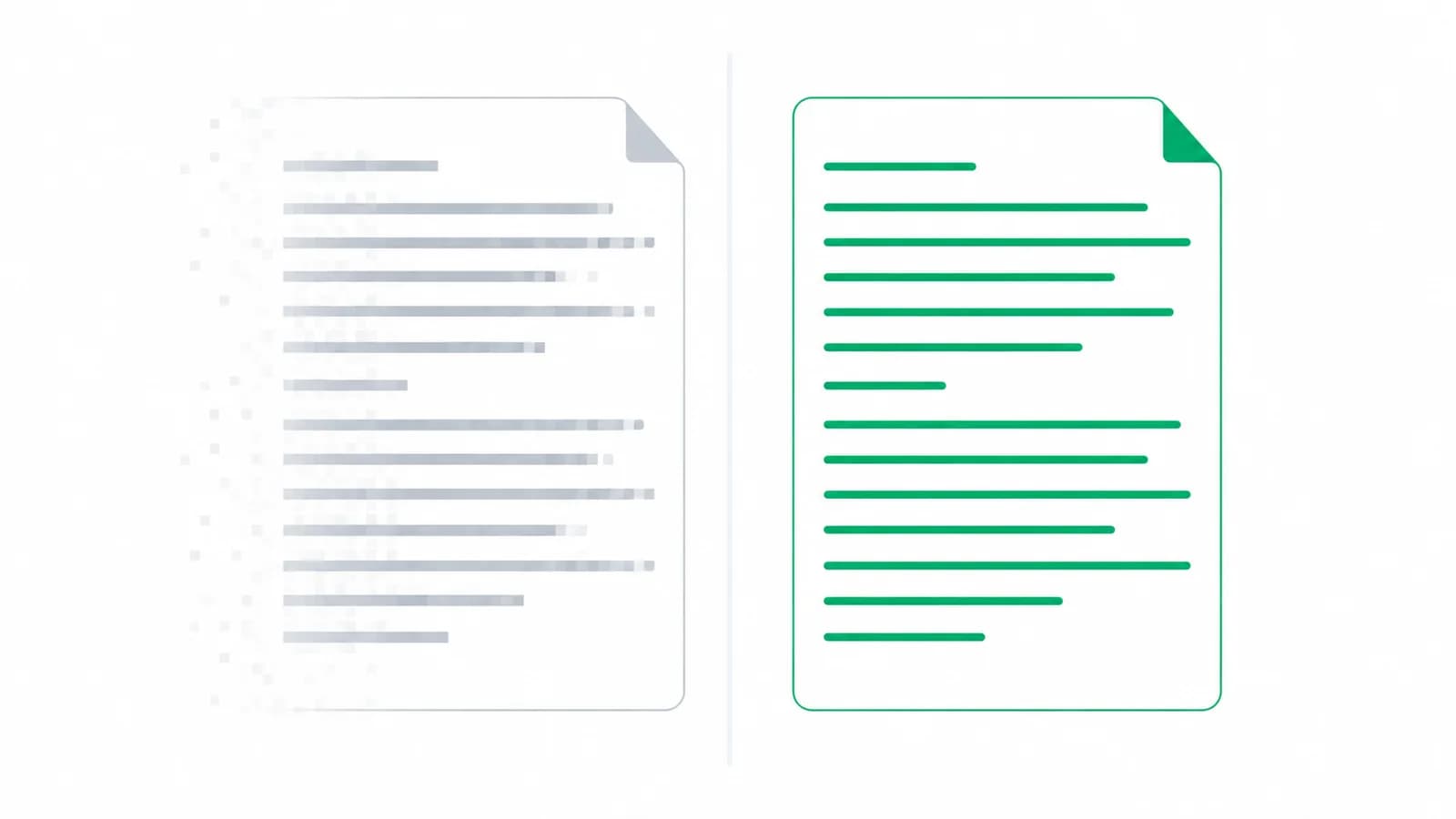

For an accounting firm, busy season is a capacity problem disguised as a calendar problem. The work is finite, the deadline is fixed, and the only variable you truly control is how long each task takes.
Bank data entry is the fattest, most compressible task on that list. Here are six changes - some are habits, one is a tool - that together can cut bank-entry time by close to 90% without cutting corners.
1. Standardise your ledger naming before season starts
Half the time lost in bank entry is decision time: "which ledger does this go to?" A documented, consistent chart of accounts removes that hesitation. Agree on naming (party names, expense heads) across the team before the rush, not during it.
Pro tip
A shared one-page ledger convention doc saves more hours in busy season than any single piece of software.
2. Build narration-to-ledger rules
The same narrations recur every month: a landlord's NEFT, a recurring SaaS debit, a regular supplier. Each one you map by hand the first time should be a rule the second time. Whether you keep these rules in your head, a sheet, or a tool, the principle is the same: never solve the same mapping twice.
3. Batch by client and account, not by task
Context-switching is expensive. Finishing one account end-to-end - read, classify, post, reconcile - keeps the client's patterns fresh in your mind and avoids the re-loading cost of jumping between clients. Batch the work by account, complete it, then move on.
4. Always work from text PDFs
A statement downloaded from net banking as a text PDF can be read precisely and instantly. A scanned printout cannot. Train your clients to send the real PDF, not a photo of a printout - it is the cheapest accuracy upgrade available, and it compounds across every statement they ever send you.
Important
A blurry phone photo of a statement is the most expensive file a client can send you. It turns a 30-second read into a 30-minute typing exercise riddled with guesswork.
5. Reconcile as you go, not at the end
Leaving reconciliation to the end of the month means hunting for errors with no memory of how they happened. Use the running balance as a live check while you enter, and most breaks never reach the reconciliation screen. Our bank reconciliation guide goes deeper on this.
6. Automate the mechanical part - offline
The first five changes sharpen the manual process. The sixth removes most of it. A tool that reads any Indian bank statement, classifies each line, applies your remembered narration rules, and posts correct vouchers straight into Tally turns hours into minutes.
Greenote does exactly this, fully offline on your PC, so you get the speed without taking on the data-privacy risk of cloud converters. The math is simple: if bank entry is two hours per account and a tool makes it ten minutes, the season gets shorter for every single client you have.
Conclusion
You cannot add days to busy season, but you can subtract hours from its biggest task. Standardise ledgers, codify narration rules, batch by account, insist on text PDFs, reconcile as you go - and automate the mechanical entry offline.
Greenote is built to be that sixth change. Try it free and see how much of your season you get back.
Read next: scanned vs text PDF statements, the cheapest accuracy upgrade available, and how to stop everything landing in Suspense.
Turn bank statements into Tally vouchers offline
Greenote reads 100+ Indian banks and posts clean vouchers straight into Tally, fully on your PC. No uploads, no cloud, no manual entry.
7-day free trial, no card required. Works with Tally Prime & ERP 9.